Integrating gender into global health policies: a necessity
While undeniable progress has been made in global health over the past few decades, inequalities between men and women persist, particularly in terms of health.
Recent epidemics, as well as structural challenges to healthcare systems, serve as a reminder that health issues are never neutral: they are embedded in social, economic, and cultural relationships that affect women, men, and gender minorities differently. In many contexts, women face structural barriers to accessing healthcare services: restrictive social norms, the burden of domestic responsibilities, economic dependence, and gender-based violence. Men, for their part, may face other social determinants: masculine norms that discourage seeking care, increased exposure to certain occupational hazards, or risky behaviors encouraged by certain representations of masculinity. The research community is still struggling to address this issue: 60% of drugs are tested in clinical trials where women are underrepresented, while most of these trials do not analyze sex differences.
In light of these findings, the systematic integration of a gender perspective into global health policies and programmes is no longer an option but a necessity. So how can this be put into practice in the field? How can it be brought more directly to international forums for better consideration by decision-makers? As the end of 2025 is marked by numerous international events related to global health and the fight for gender equality, such as the 16 Days of Activism Against Gender-Based Violence (November 25 to December 10), the 8th replenishment of the Global Fund to Fight AIDS, Tuberculosis and Malaria, and World AIDS Day on December 1, this event provided an opportunity to address issues related to the integration of gender into global health policies.
Access to healthcare: what are the gender-related barriers and how can they be removed?
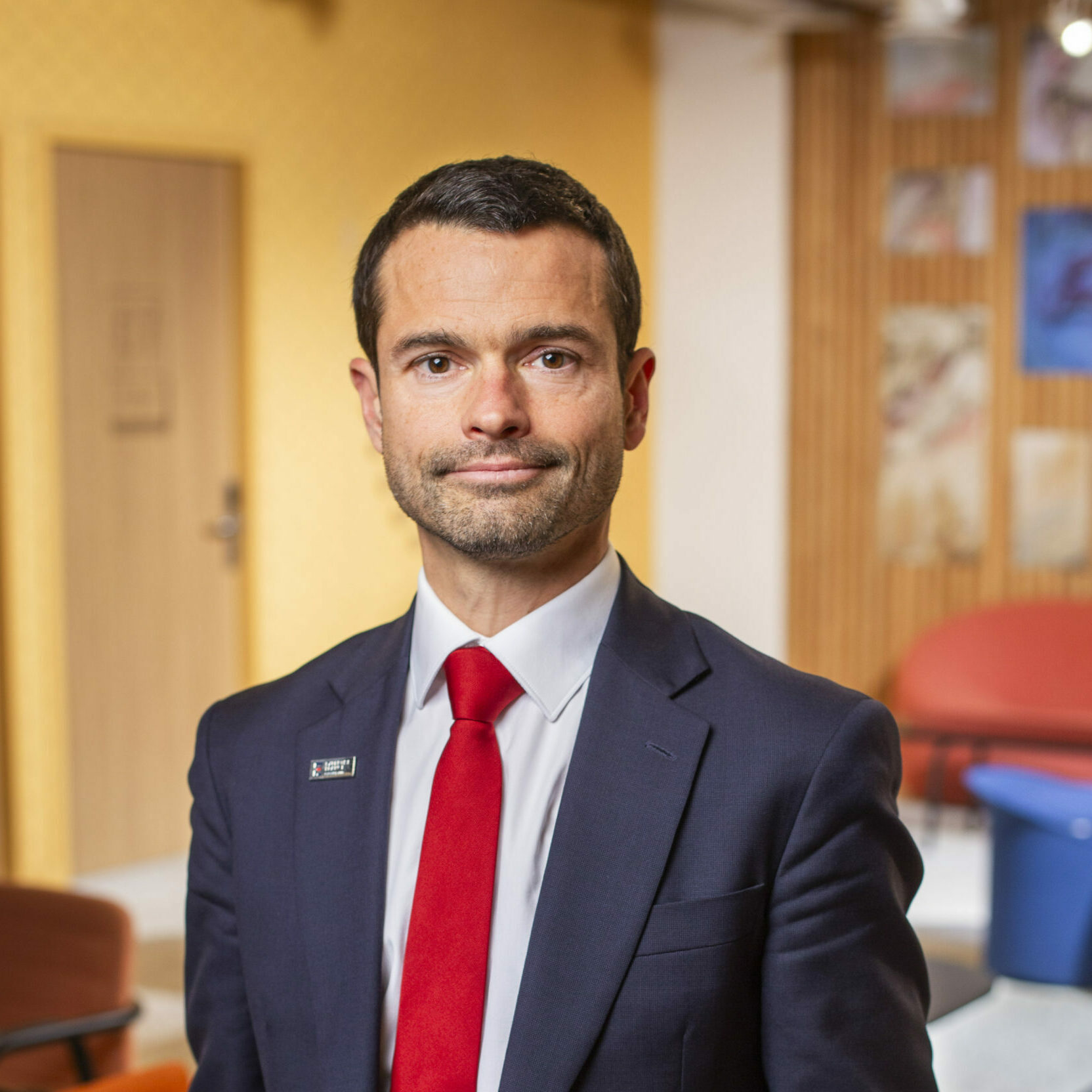
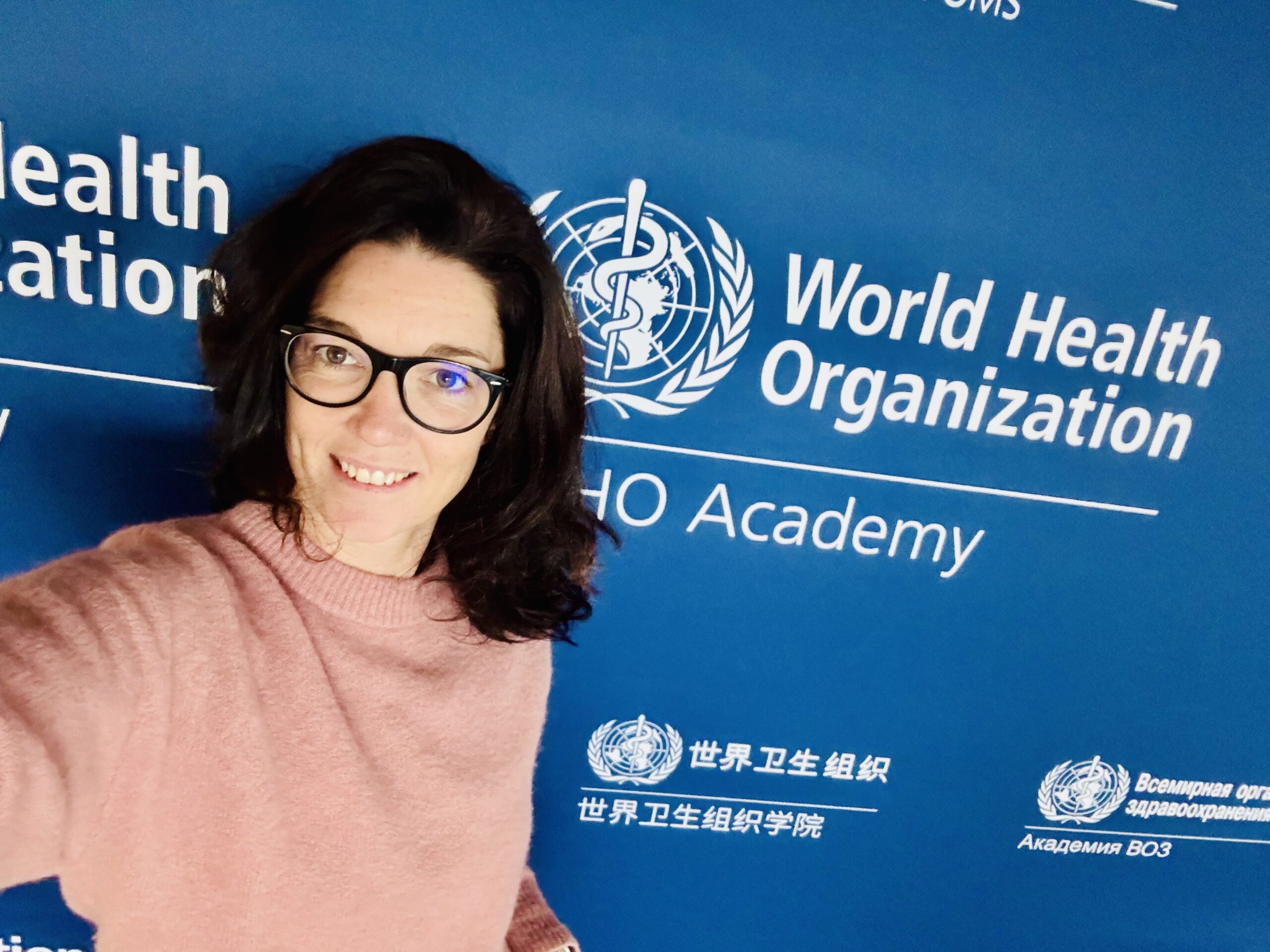
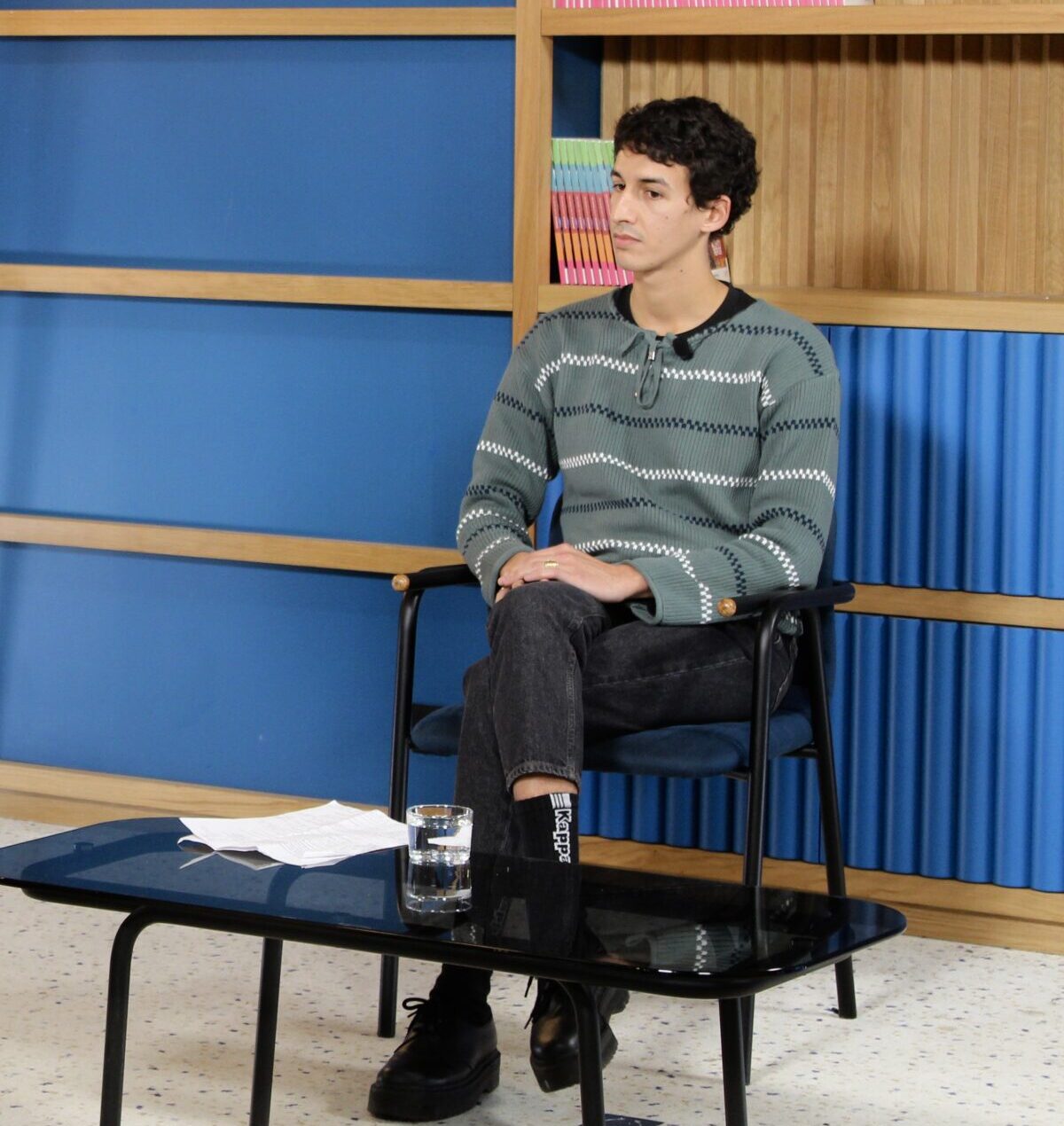
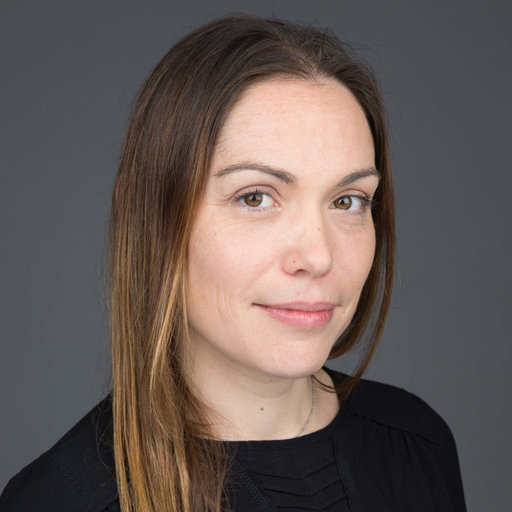
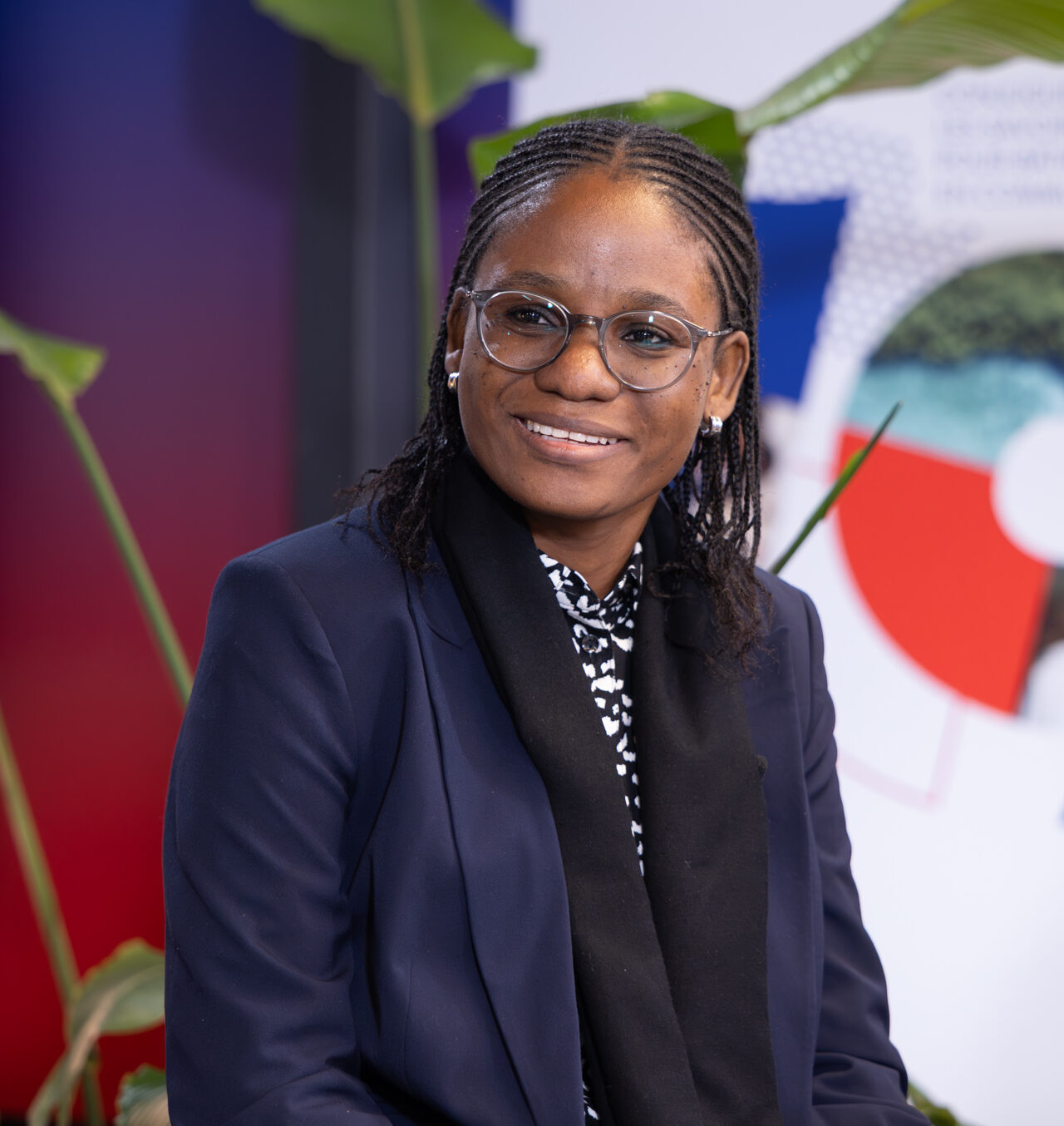
L’émission du 4 décembre a permis de débattre et d’échanger pendant 1h30 sur la santé mondiale et les enjeux de genre. Après un entretien avec Jérémie Pellet, directeur général d’Expertise France, dans lequel il a pu rappeler l’importante intégration du genre de manière transversale dans l’ensemble de nos interventions sur le terrain, et particulièrement en santé mondiale où ces enjeux sont extrêmement sensibles, Gallagher Fenwick, le modérateur de l’émission, s’est tournée vers 3 intervenants pour la première table-ronde sur les barrières liées au genre dans l’accès aux soins et les solutions. Présent en plateau, Elian Passier, référent genre à Médecins du Monde – France, a commencé par présenter l’approche genre intersectionnelle de l’ONG et comment elle est appliquée dans ses programmes en Côte d’Ivoire, Madagascar ou encore au Mexique mais aussi la mise en place d’outils pour réduire les violences et améliorer l’accès aux soins pour les femmes et les minorités de genre, comme des ateliers d’auto-défense. Connectée depuis Lyon, Charlotte Berquin, spécialiste Localisation, Genre et Inclusion à l’Académie de l’OMS, a ensuite souligné l’importance d’adapter les formations à destination du personnel de santé aux différents contextes culturels, linguistiques et sociaux des pays d’intervention mais également comment l’Académie intègre de manière systématique l’approche genre en santé dans ses cours. Gisele Umutoniwase, Program Director at the Rwanda Men’s Resource Center (RWAMREC), emphasized the need to engage men in the fight against gender-based violence (GBV) and health inequalities.
We were also delighted to welcome back Géraldine Tobé, a long-time partner of the “Pour Elles: Sport et culture” project and a speaker at the 10th-anniversary ceremony of Expertise France in February 2025. A visual artist, joining us live from Kinshasa, Democratic Republic of the Congo (DRC), she presented her project “Handicap Mental,” which uses art as a psychotherapeutic tool to support marginalized individuals and break down taboos surrounding women’s mental health in West Africa.
Gender and quality of care: a differentiated experience
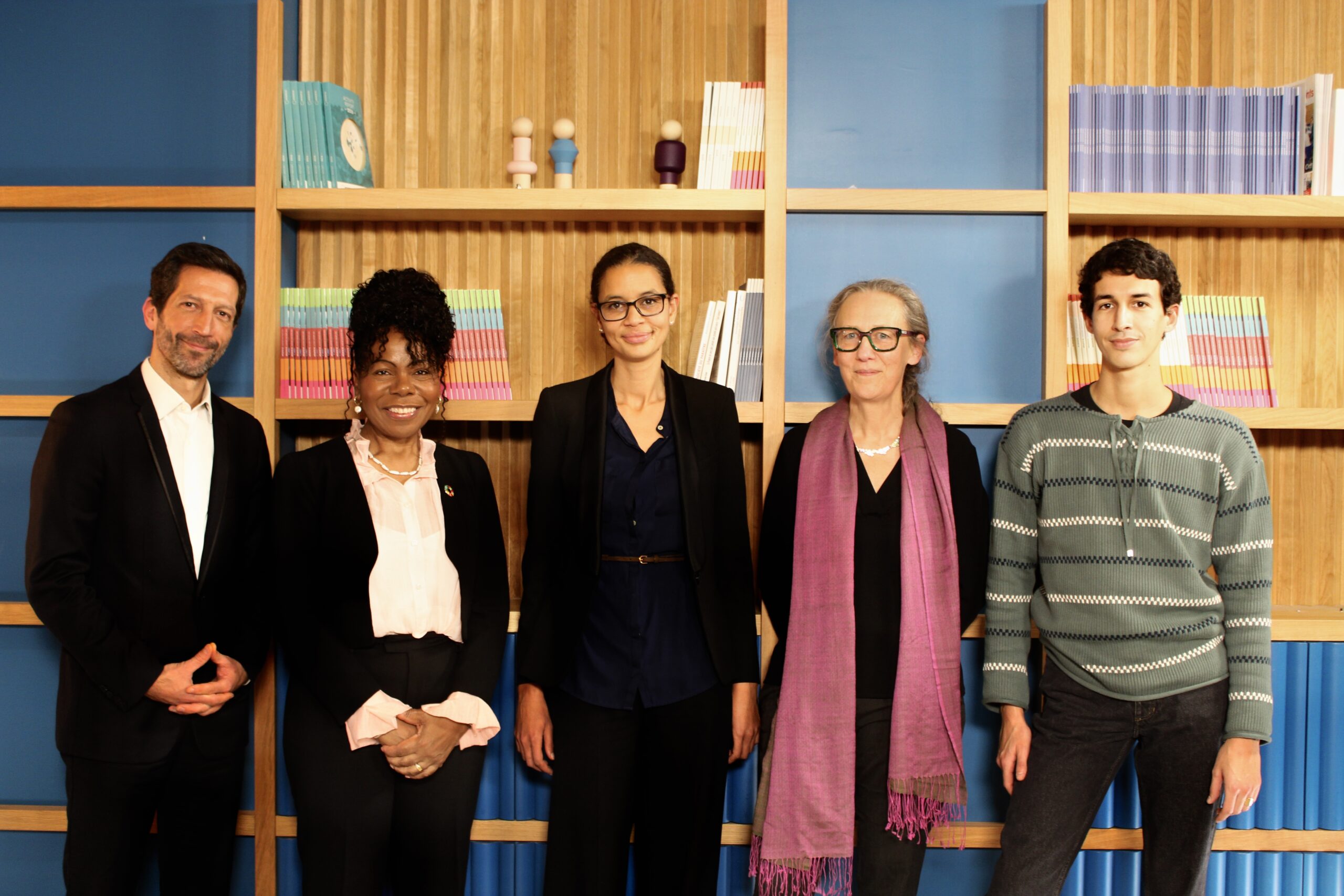
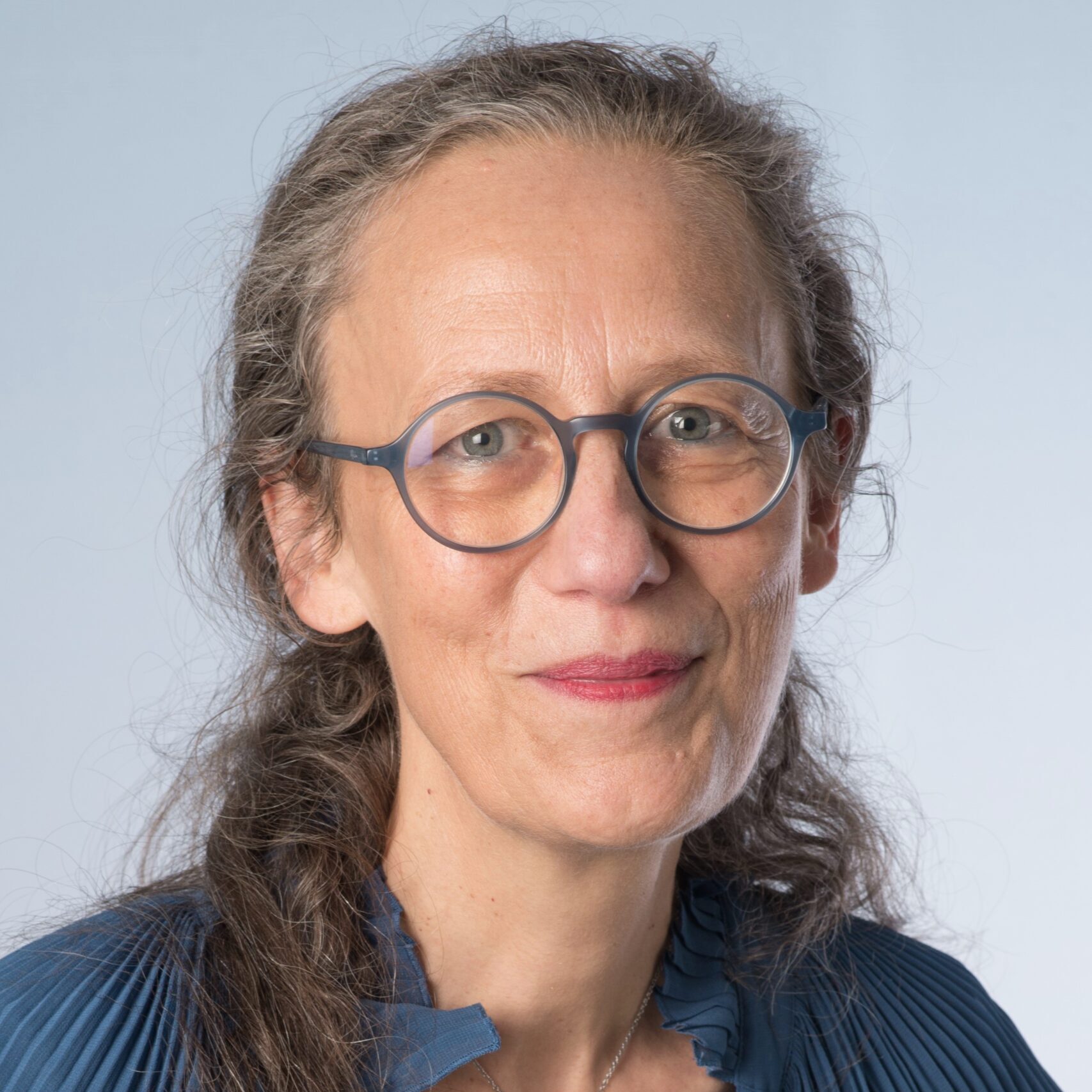
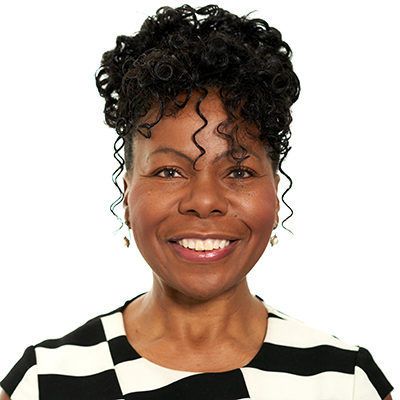
In the second half of the program, we welcomed four guests to discuss what happens after patients have access to care: the existing biases in the quality of care provided. Joining us on set were Anne-Sophie Grenouilleau-Albertini, a pharmaceutical advisor at the French National Authority for Health (HAS) and author of the report “Sex, Gender, and Health ” (2020), and Prof. Jacqueline Dunkley-Bent, Head of Midwifery at the International Confederation of Midwives (ICM), while Mélanie Samson, Senior Technical Manager, Women’s Health at the World Surgical Foundation, and Kady Kourouma, Head of Sexual and Reproductive Health Services at Solthis, joined us remotely from Geneva and Abidjan. This roundtable discussion allowed Anne-Sophie Grenouilleau-Albertini to emphasize the importance, in her view, of distinguishing between the concepts of sex (biological, anatomical, and chromosomal) and gender (social) in order to design health policies that are fairer and more inclusive of all populations, as well as the actions taken by the HAS to combat gender bias in research and within the medical profession, such as the launch of awareness campaigns. Prof. Jacqueline Dunkley-Bent, for her part, highlighted the stark disparities in mortality rates worldwide (1 per 100,000 in Norway versus 1,000 per 100,000 in Chad, for example) and the ICM’s work to train midwives in low-income countries, thereby empowering them to improve the quality of maternal care. Representing the Surgical Foundation, Mélanie Samson presented her organization’s holistic, woman-centered approach in the countries where it operates—such as Kenya, Nepal, and Nigeria—and its efforts to destigmatize access to cesarean sections and break the taboo surrounding postpartum depression. Finally, Kady Kourouma also highlighted Solthis’s efforts to combat bias in medical care, particularly to challenge healthcare providers’ stigmatizing perceptions of sex workers, whose sexual and reproductive health needs are very often unmet—mainly due to a lack of STI prevention, testing, or pregnancy monitoring.
This #RDV concluded with the “Perspective” segment, featuring a presentation by the Global Fund to Fight AIDS, Tuberculosis and Malaria, represented by Michelle Remme, Lead of the Thematic Group on Human Rights, Gender Equality, and Health Equity. Michelle Remme presented this unique global partnership for solidarity and health equity, which has helped save 70 million lives since its inception. Amid significant global disruptions, particularly financial ones, the Global Fund continues to tr