While undeniable progress has been made in global health over the past few decades, inequalities between men and women persist, particularly in terms of health.
Recent epidemics, as well as structural challenges to healthcare systems, serve as a reminder that health issues are never neutral: they are embedded in social, economic, and cultural relationships that affect women, men, and gender minorities differently. In many contexts, women face structural barriers to accessing healthcare services: restrictive social norms, the burden of domestic responsibilities, economic dependence, and gender-based violence. Men, for their part, may face other social determinants: masculine norms that discourage seeking care, increased exposure to certain occupational hazards, or risky behaviors encouraged by certain representations of masculinity. The research community is still struggling to address this issue: 60% of drugs are tested in clinical trials where women are underrepresented, while most of these trials do not analyze sex differences.
In light of these findings, the systematic integration of a gender perspective into global health policies and programmes is no longer an option but a necessity. So how can this be put into practice in the field? How can it be brought more directly to international forums for better consideration by decision-makers? With the end of 2025 marked by numerous international highlights related to global health and the fight for gender equality, such as the 16 Days of Activism Against Gender-Based Violence (25 November to 10 December), the 8th replenishment of the Global Fund to Fight AIDS, Tuberculosis and Malaria, and World AIDS Day on 1 December, this event provided an opportunity to address issues related to gender mainstreaming in global health policies.
The December 4th broadcast provided an opportunity for a 90-minute discussion and exchange on global health and gender issues. Following an interview with Jérémie Pellet, Director General of Expertise France, in which he emphasized the crucial integration of gender considerations across all of our field interventions, particularly in global health where these issues are extremely sensitive, Gallagher Fenwick, the program’s moderator, introduced three panelists for the first roundtable discussion on gender-related barriers to accessing healthcare and potential solutions. Elian Passier, Gender Officer at Doctors of the World – France, who was also present, began by presenting the NGO’s intersectional gender approach and how it is applied in its programs in Côte d’Ivoire, Madagascar, and Mexico. He also discussed the implementation of tools to reduce violence and improve access to healthcare for women and gender minorities, such as self-defense workshops. Connecting from Lyon, Charlotte Berquin, Localization, Gender and Inclusion Specialist at the WHO Academy, then emphasized the importance of adapting training for healthcare personnel to the diverse cultural, linguistic, and social contexts of the countries where they are employed, and how the Academy systematically integrates a gender perspective into its courses. Gisele Umutoniwase, Program Director at the Rwanda Men’s Resource Centre (RWAMREC), stressed the need to mobilize men in the fight against gender-based violence (GBV) and health inequalities.
Nous avons également eu le plaisir de retrouver une partenaire de longue date de l’agence du projet Pour Elles : Sport et culture et également intervenante lors de la cérémonie des 10 ans d’Expertise France en février 2025, Géraldine Tobé. Artiste plasticienne, connectée en direct depuis Kinshasa, en République démocratique du Congo (RDC), elle nous a notamment présenté son projet “Handicap Mental”, qui utilise l’art comme outil psychothérapeutique pour accompagner les personnes marginalisées et briser les tabous autour de la santé mentale des femmes en Afrique de l’Ouest.
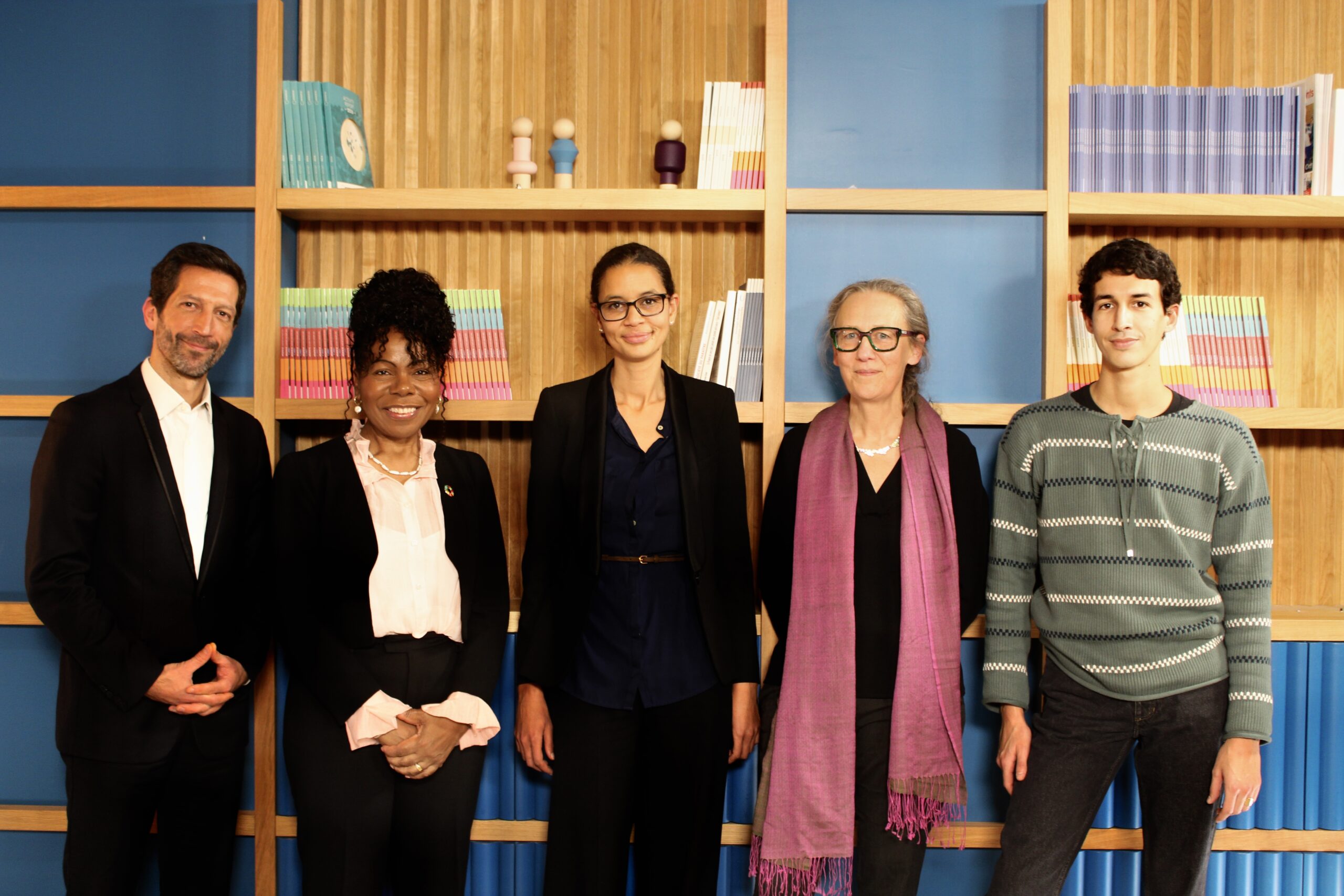
In the second part of the program, we welcomed four speakers to discuss the stage after accessing care: the existing biases in the quality of care provided. Joining us in the studio were Anne-Sophie Grenouilleau-Albertini, pharmaceutical advisor at the French National Authority for Health (HAS) and author of the report “Sex, Gender and Health” (2020), and Professor Jacqueline Dunkley-Bent, Chief Midwife at the International Confederation of Midwives (ICM). Meanwhile, Mélanie Samson, Senior Technical Manager, Women’s Health at the World Foundation for Surgery, and Kady Kourouma, Head of Sexual and Reproductive Health Services at Solthis, joined us from Geneva and Abidjan. This roundtable allowed Anne-Sophie Grenouilleau-Albertini to emphasize the importance, in her view, of distinguishing between the concepts of sex (biological, anatomical, and chromosomal) and gender (social) in order to design fairer and more inclusive health policies for all populations. She also highlighted the actions taken by the French National Authority for Health (HAS) to combat gender bias in research and within the medical profession, such as the implementation of awareness campaigns. Professor Jacqueline Dunkley-Bent, for her part, emphasized the stark disparities in mortality rates worldwide (1 per 100,000 in Norway compared to 1,000 per 100,000 in Chad, for example) and the work of the International College of Maternal and Child Health (ICM) in training and thus empowering midwives in low-income countries to improve the quality of maternal care. Representing the World Foundation for Surgery, Mélanie Samson presented her organization’s holistic, women-centered approach in its countries of operation, such as Kenya, Nepal, and Nigeria, and its efforts to destigmatize access to cesarean sections and break the taboo surrounding postpartum depression. Finally, Kady Kourouma also highlighted Solthis’s work to combat bias in healthcare, particularly in dismantling the stigmatizing perceptions of sex workers held by healthcare professionals. Her work addressed the fact that the sexual and reproductive health needs of sex workers are very often unmet, primarily regarding the lack of prevention of STIs/STDs and access to pregnancy testing and monitoring.
This meeting concluded with the “Perspective” session, featuring a presentation from the Global Fund to Fight AIDS, Tuberculosis and Malaria, represented by Michelle Remme, Head of the Thematic Group on Human Rights, Gender Equality and Health Equity. Michelle Remme presented this unique global partnership for solidarity and equity in health, which has helped save 70 million lives since its inception. In a context of significant international disruption, particularly financial, the Global Fund continues to work with its partners to maintain access to essential care for the most vulnerable populations, both to combat the three pandemics and to reduce gender inequalities.
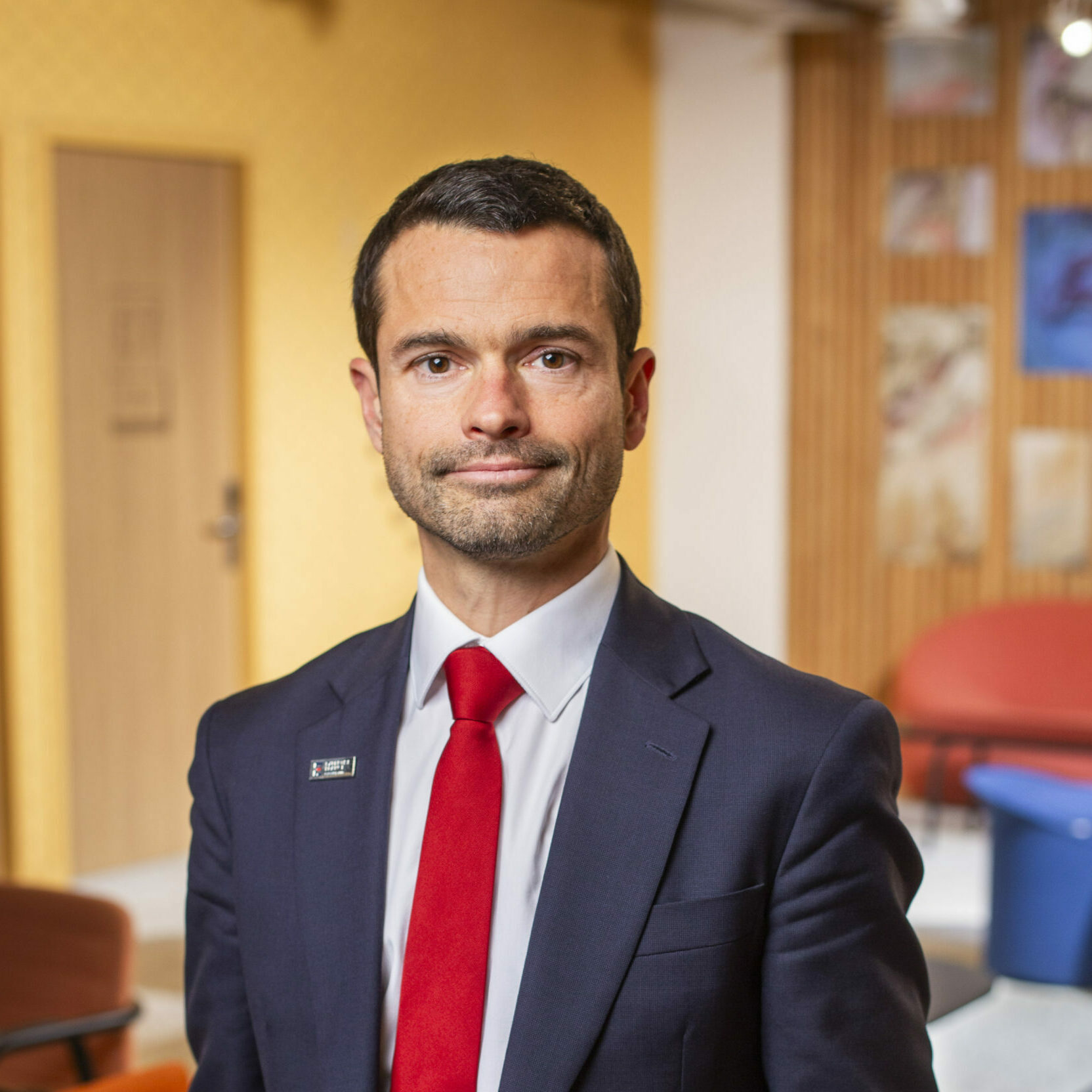
CEO of Expertise France
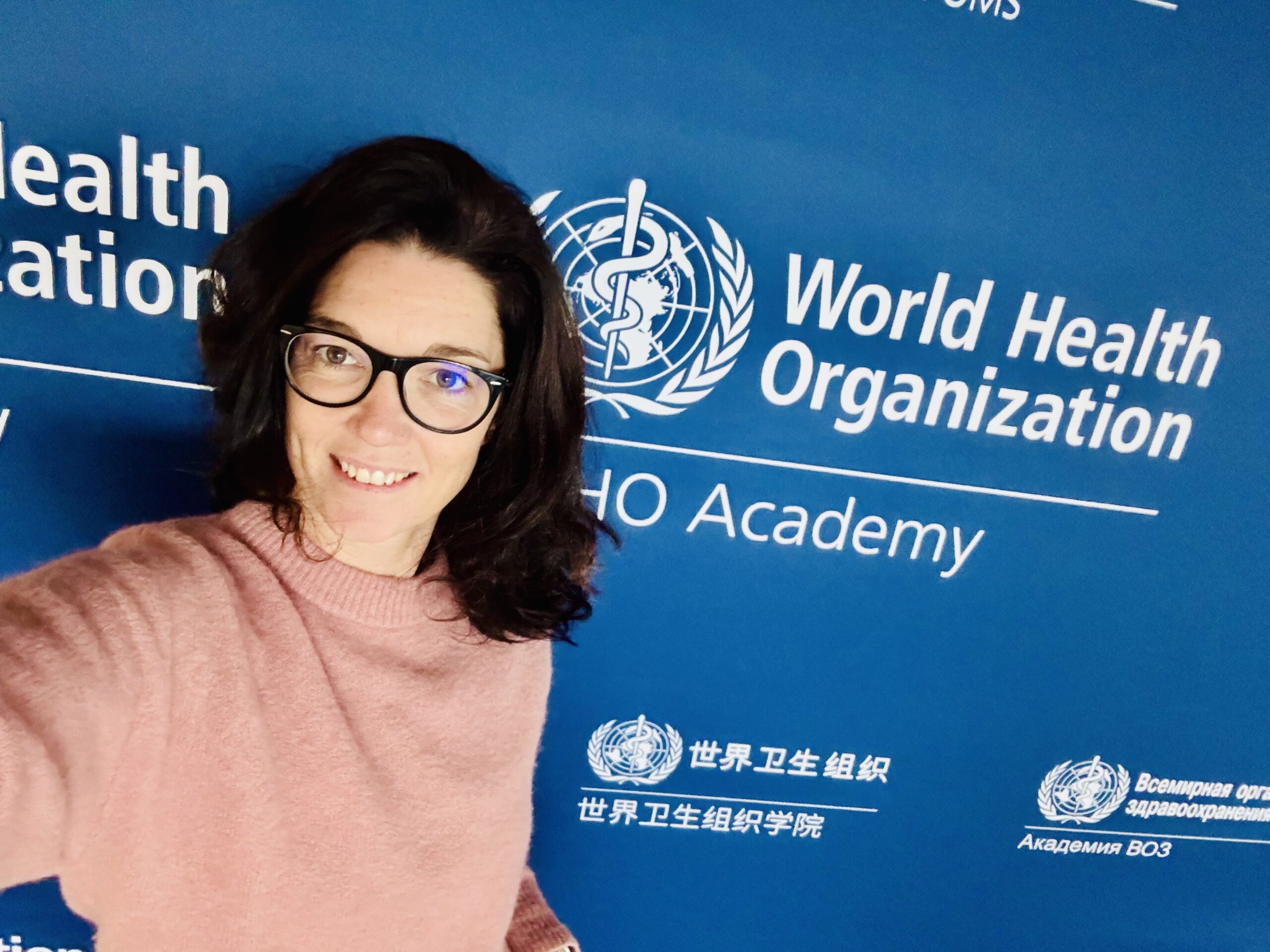
Localisation Team Lead, WHO Academy

Programme Director, Rwanda Men’s Resource Centre (RWAMREC)
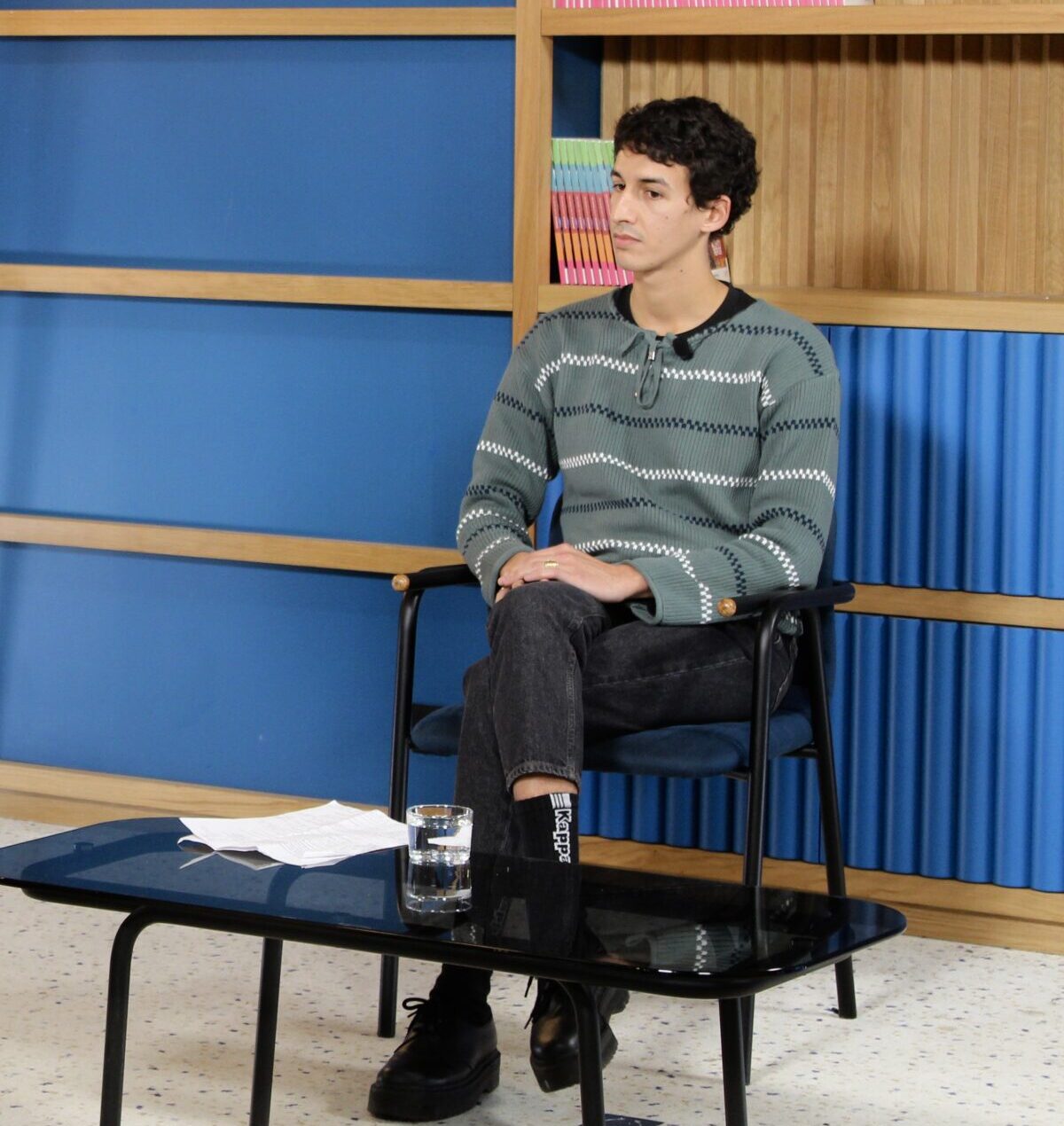
Gender Advisor, Médecins du Monde
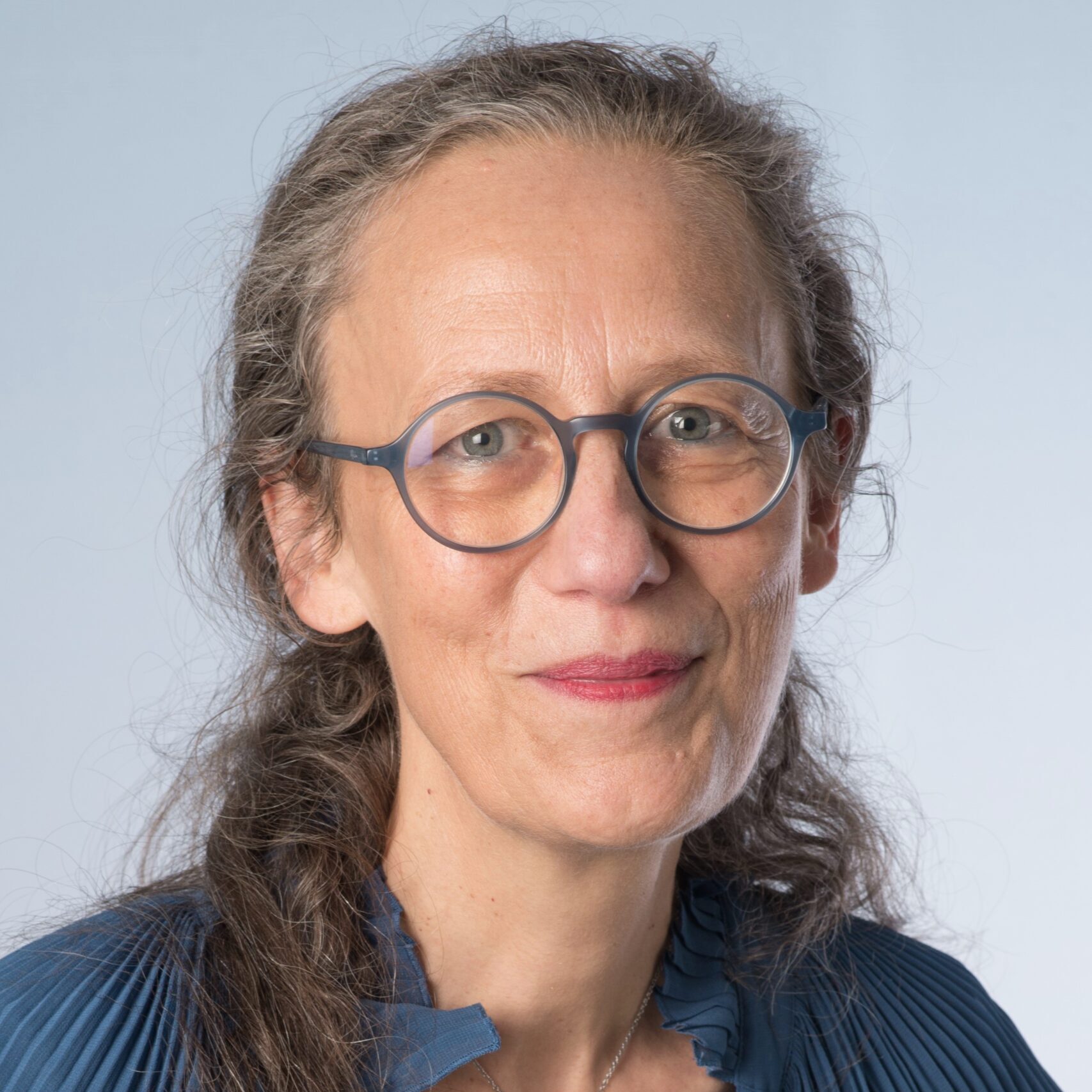
Pharmacy Advisor, Haute Autorité de santé
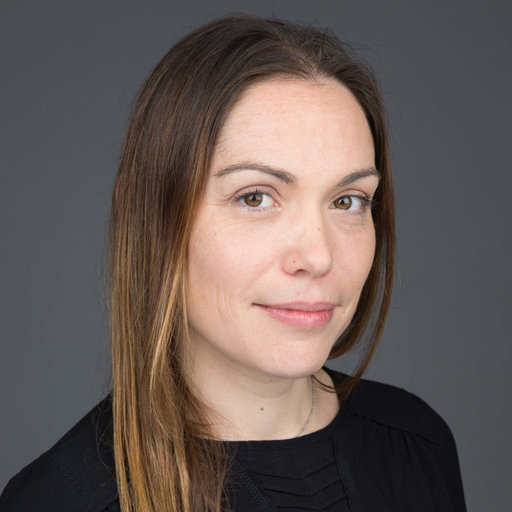
Senior Technical Officer, Women’s Health, The Global Surgery Foundation
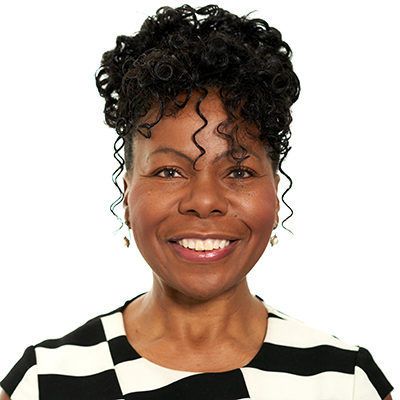
First Chief Midwife, International Confederation of Midwives
Sexual and Reproductive Health Services Manager, Solthis
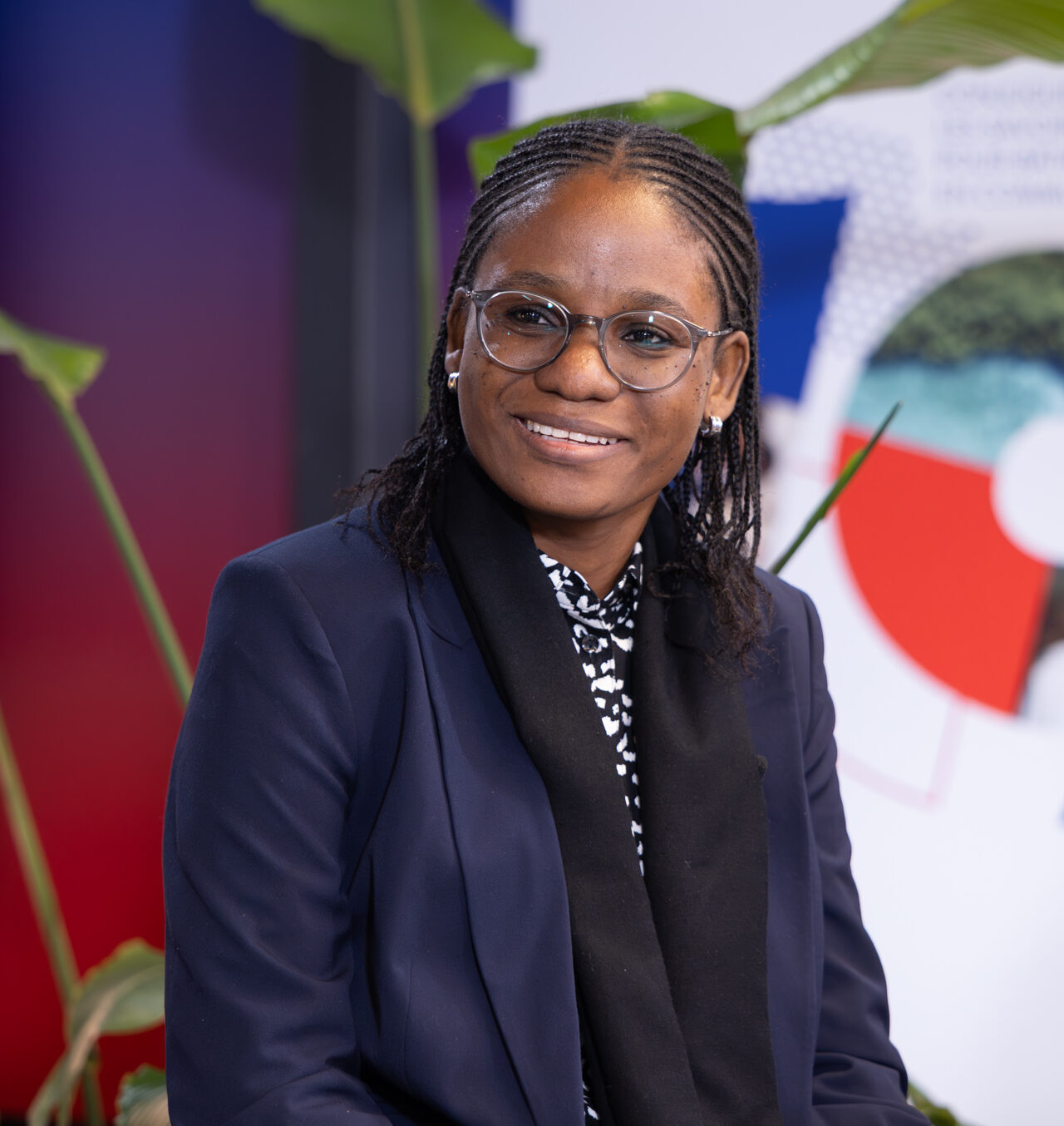
Artiste plasticienne
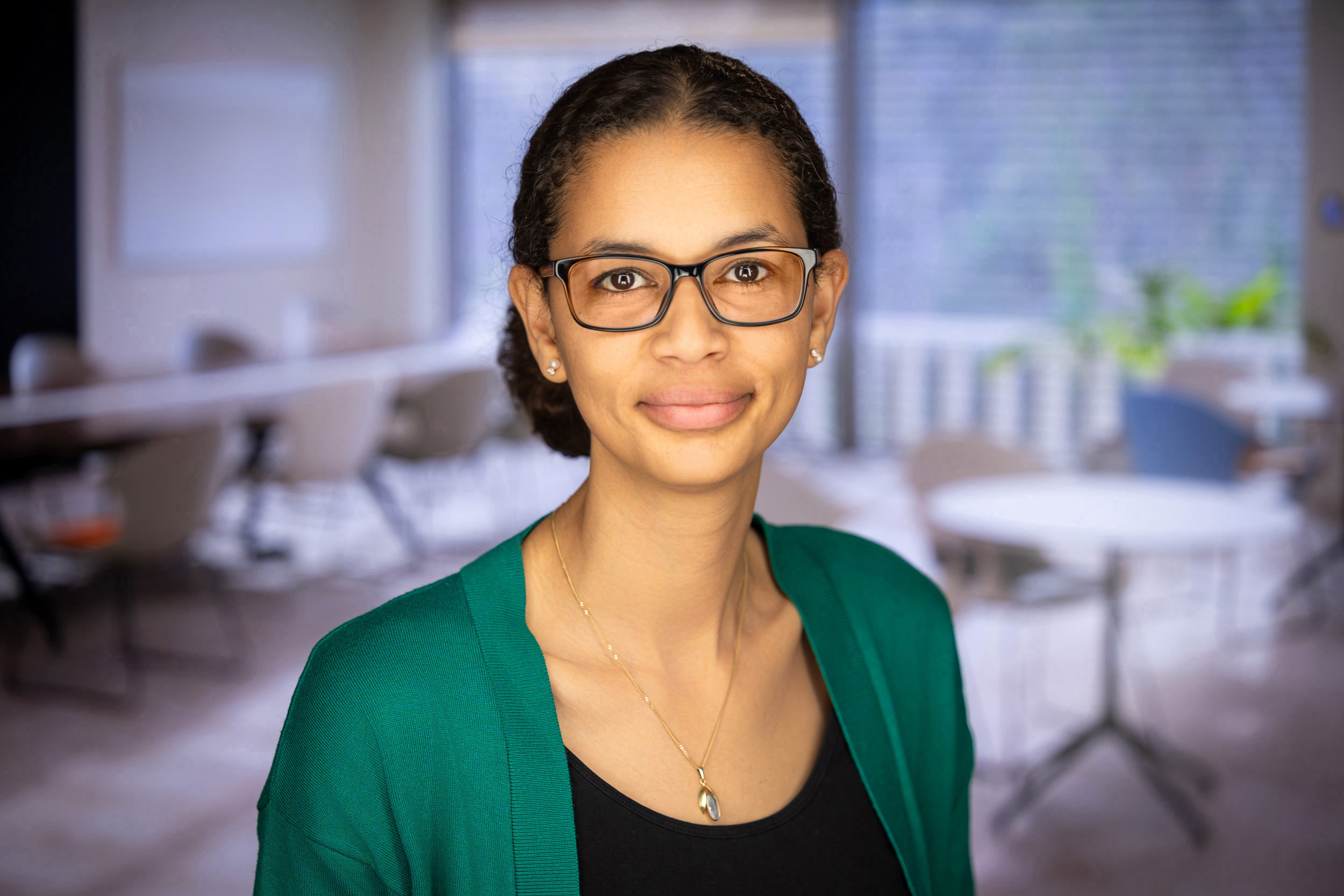
Manager, Thematic Cluster for Human Rights, Gender and Health Equity, The Global Fund
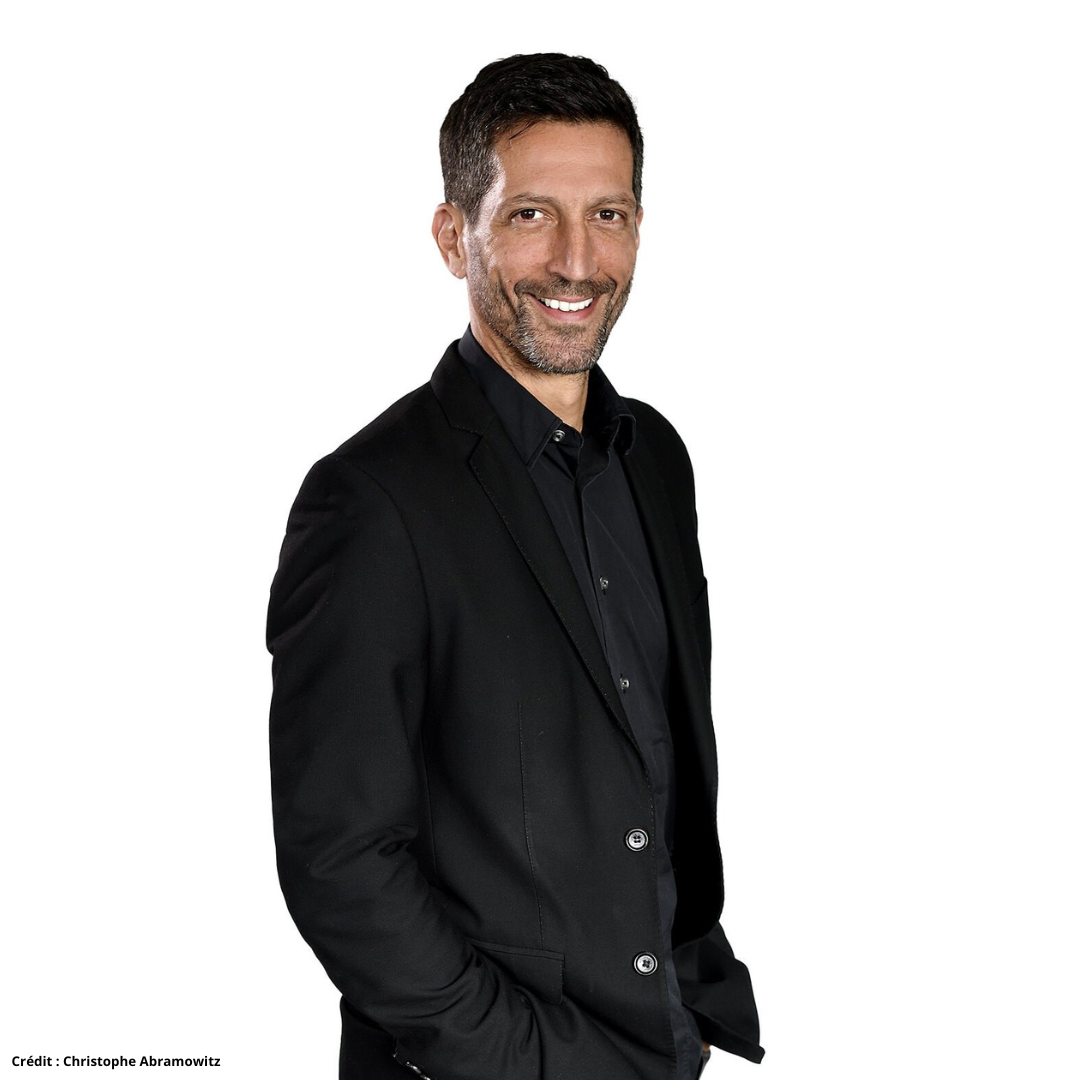
Moderator